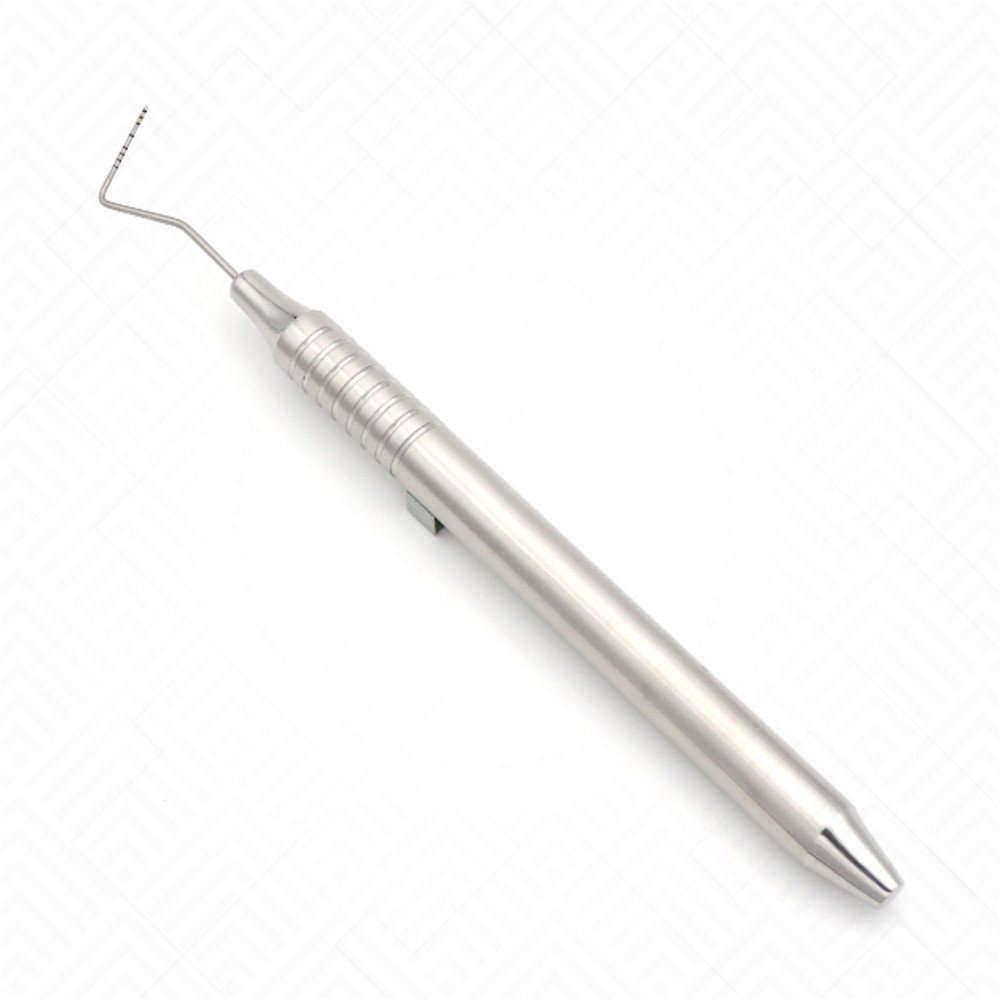
Dental professionals understand that precision is not just a preference but a necessity when diagnosing periodontal health. The tools used daily must provide accurate measurements to ensure patients receive the correct treatment plans. Among the most trusted instruments in any dental kit is the periodontal probe. This blog post explores the specific utility and enduring design of the williams probe, a staple instrument for assessing gum health. We will examine its unique features, how it aids in diagnosis, and why sourcing high-quality tools from New Med Instruments ensures better clinical outcomes for healthcare providers worldwide.
Understanding the Design of the Williams Probe
The williams probe is a specific type of periodontal probe designed to measure pocket depths around a tooth. Its defining feature is its thin, round working end, which allows for gentle insertion into the gingival sulcus. Unlike other probes that might have uniform markings, this instrument features a unique calibration pattern. The markings are typically absent at certain millimeter intervals, specifically at the 4mm and 6mm marks, which helps avoid confusion during rapid reading. This distinct marking system—often 1-2-3-5-7-8-9-10 mm—allows clinicians to quickly assess pocket depth without misinterpreting the lines. The smooth, rounded tip ensures patient comfort during the probing process, reducing the likelihood of tissue trauma even during comprehensive periodontal charting.
The Role of Probing in Periodontal Diagnosis
accurate diagnosis of periodontal disease relies heavily on the data gathered during probing. Dentists and hygienists use the williams probe to measure the distance from the gingival margin to the base of the sulcus or periodontal pocket. These measurements are crucial for determining the presence and severity of gum disease. Healthy gums typically exhibit pocket depths of one to three millimeters. Depths greater than this often indicate inflammation, bone loss, or active periodontal disease. By providing reliable measurements, this instrument acts as the first line of defense in detecting early signs of periodontal issues. Consistent monitoring with a high-quality probe allows for the tracking of disease progression or the success of periodontal therapies over time.
Why Precision Matters in Surgical Instruments
New Med Instruments seeks to provide quality surgical instruments and superior service to Surgeons, Students, and healthcare Professionals all over the world, who value perfect and precise results for their patients. When a tool like a probe is manufactured with poor tolerances, the markings may be inaccurate, leading to misdiagnosis. A fraction of a millimeter can change a diagnosis from healthy gingiva to early periodontitis. High-quality stainless steel construction ensures that the instrument maintains its shape and calibration even after repeated sterilization cycles. Professionals rely on the durability and exactness of their tools to perform their duties effectively. Choosing a reputable supplier guarantees that every instrument meets strict international standards for medical devices.
Best Practices for Using Periodontal Probes
Effective use of the williams probe requires a combination of gentle technique and clinical knowledge. The probe should be inserted parallel to the long axis of the tooth, using a light walking stroke around the circumference of each tooth. Excessive force can penetrate the junctional epithelium, causing unnecessary pain and falsely deep readings. Clinicians must also account for the angulation when measuring interproximal areas to reach right under the contact point. Regular calibration checks and inspecting the instrument for any signs of wear, such as a bent tip or faded markings, are essential maintenance steps. Proper technique ensures that the patient remains comfortable and that the data collected accurately reflects their periodontal status.
Selecting the Right Instruments for Your Practice
Choosing the right dental instruments is an investment in patient care and practice efficiency. While there are many variations of periodontal probes available, the williams probe remains a favorite due to its readability and classic design. When selecting instruments, healthcare professionals should look for ergonomic handles that reduce hand fatigue during long procedures. The weight and balance of the instrument also play a role in tactile sensitivity, which is critical for detecting subgingival calculus. New Med Instruments understands these nuanced needs and offers tools designed to enhance the tactile feedback surgeons and hygienists rely on. Superior service and a commitment to quality make it easier for professionals to equip their clinics with the best possible tools.
Comparing Different Probe Calibrations
Dental professionals often encounter various nasal probe designs, such as the UNC-15 or the CP-12, each with different marking systems. The choice often comes down to personal preference and the specific requirements of the dental school or clinical setting. The williams probe is frequently preferred for its specific omission of the 4mm and 6mm markings, which some clinicians find improves readability by reducing visual clutter. This design choice helps prevent the "rounding up" or "rounding down" errors that can occur with evenly spaced markings. Understanding the specific calibration of the probe in hand is vital for accurate documentation. Switching between different probe types without noting the difference can lead to inconsistencies in patient records, emphasizing the need for standardization within a practice.
Conclusion
The humble periodontal probe plays a massive role in maintaining oral health and diagnosing disease. Specifically, the design and utility of the Williams style probe make it an indispensable asset for dental professionals aiming for accuracy. By investing in high-quality tools from trusted providers like New Med Instruments, surgeons and students alike ensure they are equipped to deliver the best care possible. Reliable equipment supports precise results, ultimately leading to better patient outcomes and healthier smiles worldwide. Healthcare professionals are encouraged to review their current instrument kits and consider if their tools meet the high standards required for modern dental care.